

EdgeLab and KSSL sign a strategic agreement to strenghten international cooperation and expand into global markets
AUTOMA: Project Successfully Concluded

EdgeLab and KSSL sign a strategic agreement to strenghten international cooperation and expand into global markets
AUTOMA: Project Successfully Concluded
EdgeLab and KSSL sign a strategic agreement to strenghten international cooperation and expand into global markets
AUTOMA: Project Successfully Concluded
La Spezia, 30 November 2025
EdgeLab S.p.A. announces the successful conclusion of M.A.R.E. – Machine Learning Applied to Marine Ecosystem Research – a project dedicated to advanced and integrated observation of the marine environment, designed to address current challenges in ocean ecosystem monitoring.
The M.A.R.E. project was funded by the European Union – NextGenerationEU and carried out within the framework of the National Recovery and Resilience Plan (PNRR), RAISE programme. The initiative brought together industrial and scientific expertise through a structured collaboration involving EdgeLab, Superfici S.c.r.l., Automation S.r.l., Gruppo SIGLA and BioAge, fostering a multidisciplinary approach that combined technological development, system integration and applied research.
M.A.R.E. was conceived to address a persistent gap in marine research, namely the incomplete observation of biological, ecological, chemical and geological parameters that are essential for a comprehensive assessment of marine ecosystem health. The project focused on the development, integration and demonstration of an innovative system for the measurement of Essential Ocean Variables, capable of operating across the entire water column and supporting continuous, coordinated data collection.
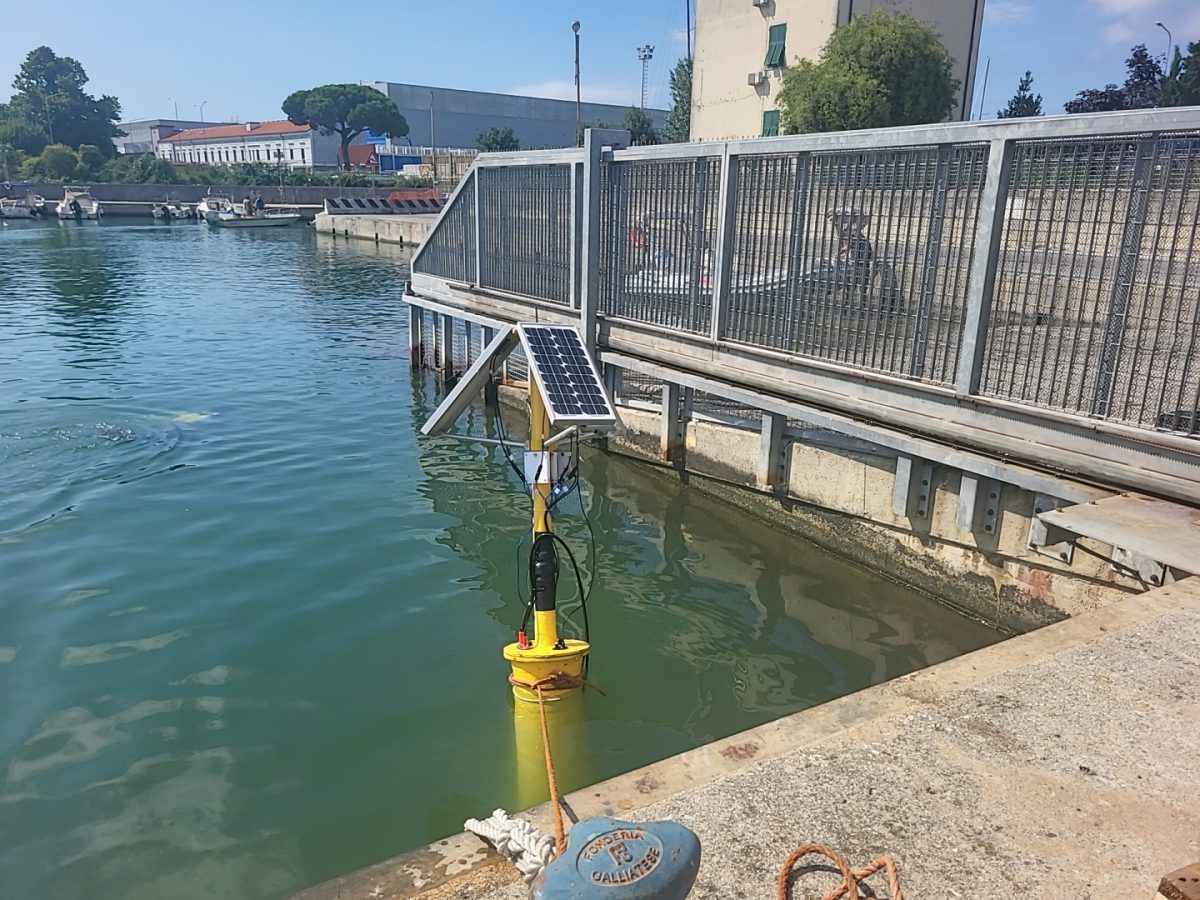
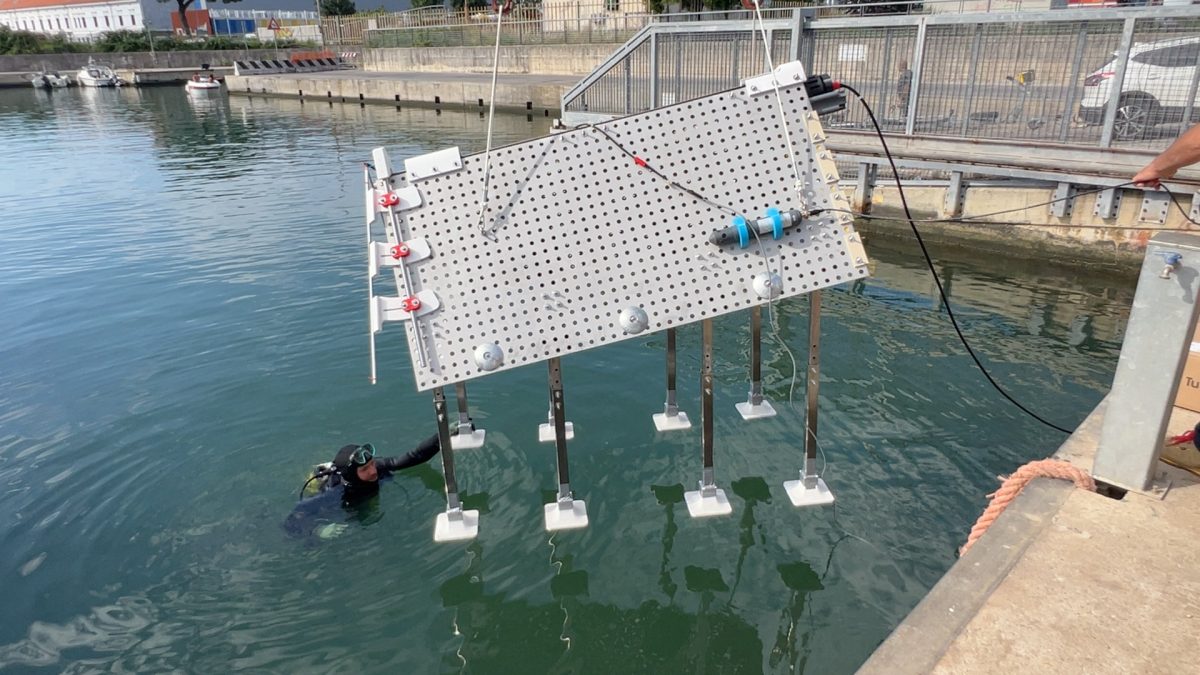
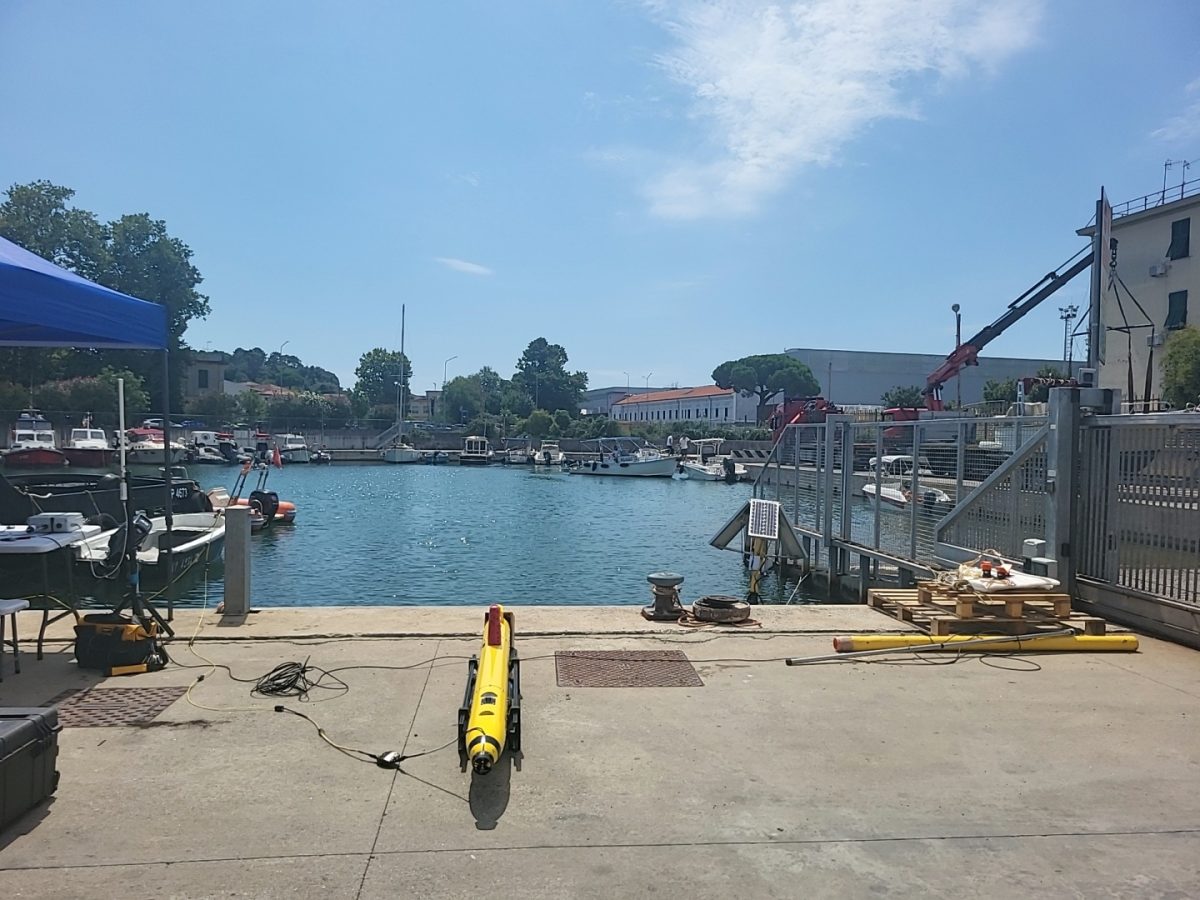
The platform developed within M.A.R.E. is based on the interaction between autonomous underwater vehicles, multiparameter docking stations, surface support systems and dedicated communication infrastructures, enabling autonomous missions, reliable data transmission and effective energy management. This configuration supports scalable and sustainable marine monitoring applications, suitable for medium and long-term deployments.
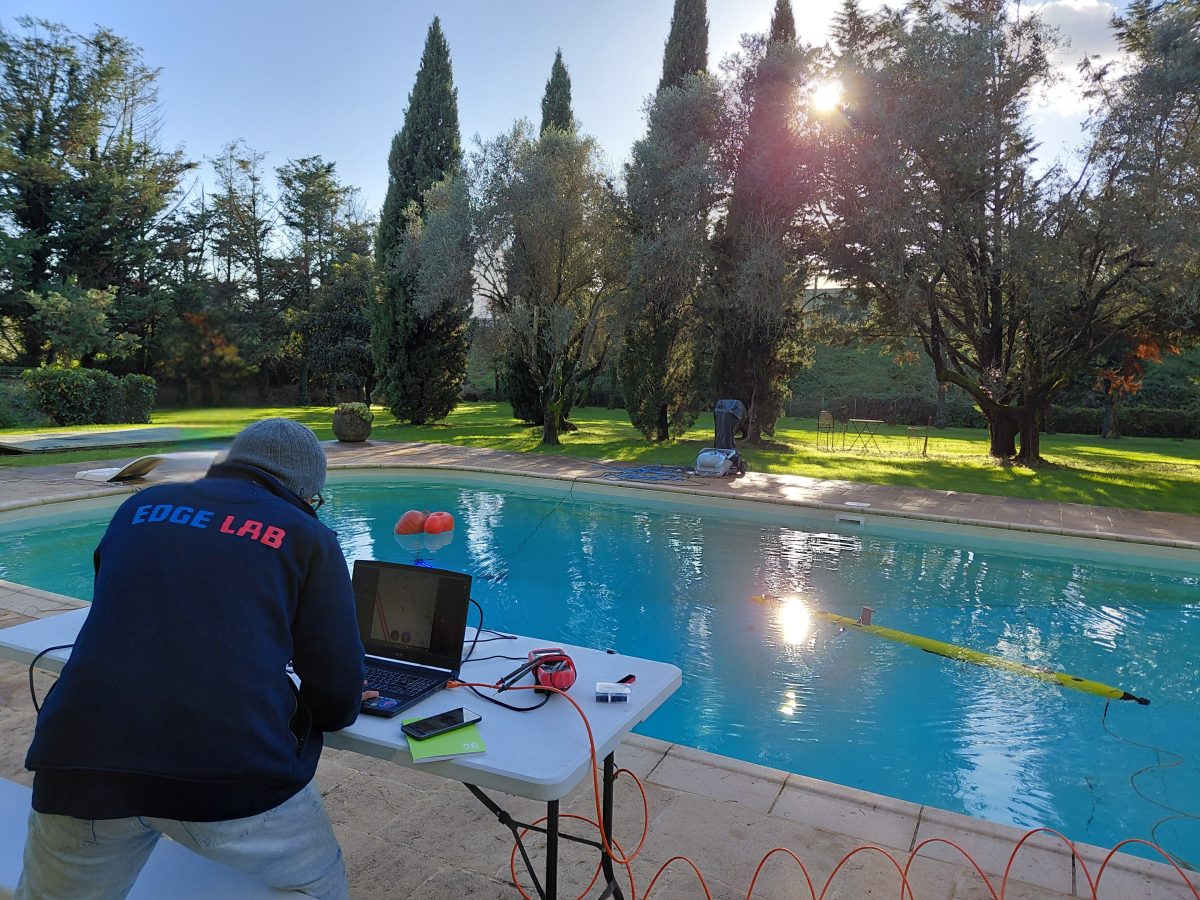
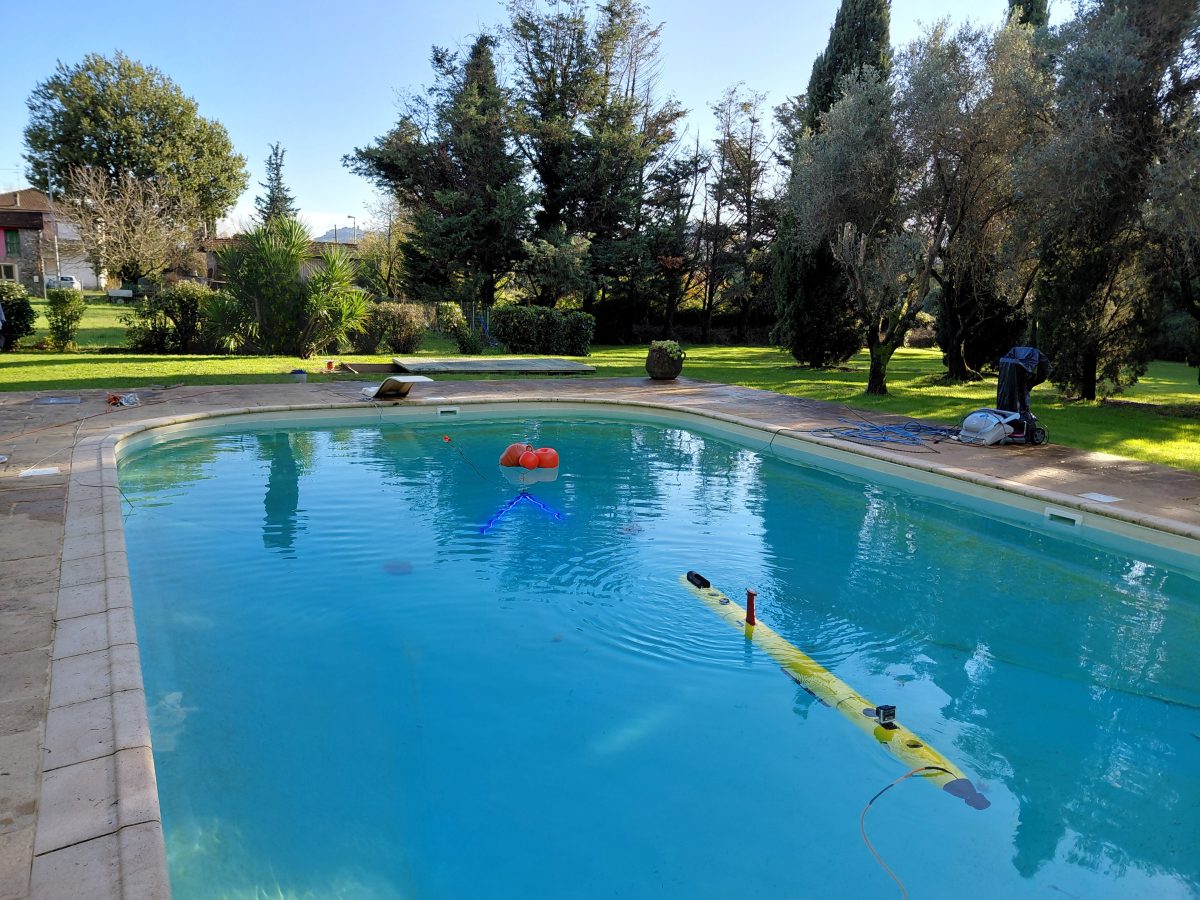
Throughout the project, structured integration, calibration and validation activities were carried out, supported by testing both in controlled environments, through swimming pool trials, and in open-sea conditions. These activities made it possible to assess system reliability, verify the interaction between the various modules and evaluate the quality of the data collected in representative operational scenarios, contributing to the overall technological maturity of the platform.
With its conclusion on 30 November 2025, M.A.R.E. represents a significant step towards a more comprehensive, intelligent and sustainable approach to marine observation, reinforcing the role of autonomous technologies and integrated systems in supporting scientific research, environmental assessment and the responsible management of marine ecosystems.

Operating Unit:
Via Privata OTO, 10 – 19136 La Spezia (SP) – Italy
Copyright © 2025 EdgeLab S.p.A. – VAT number 01668200494 – All rights reserved.