
M.A.R.E.: Project Successfully Concluded
MTCOM Project Sea Trials Successfully Completed at the Port of La Spezia
AUTOMA: Project Successfully Concluded
La Spezia, 19 January 2026
EdgeLab S.p.A. announces the official conclusion of the AUTOMA – Automatic Identification and Classification of Marine Alien Species project – following the granting of an extraordinary and exceptional three-month extension that allowed all planned activities to be fully completed and consolidated.
AUTOMA was funded by the European Union – NextGenerationEU and carried out within the framework of the National Recovery and Resilience Plan (PNRR). The project represented a strategic initiative aimed at integrating technological innovation, advanced scientific research and Citizen Science to strengthen the monitoring and protection of Mediterranean marine biodiversity.
The primary objective of AUTOMA was the development of an automatic system for the recognition and identification of Mediterranean marine taxa, with particular focus on Non-Indigenous Species (NIS) and Invasive Alien Species (IAS). The project led to the creation of a qualitative and quantitative database describing species presence, distribution, dispersal dynamics and invasive potential.
Biological data were systematically associated with abiotic parameters, enabling advanced analyses of the relationships between identified taxa and environmental variables. This approach proved particularly relevant in the context of the current Mediterranean climate crisis, supporting a deeper understanding of competition mechanisms between alien and native species and providing concrete tools for ecosystem monitoring and management.
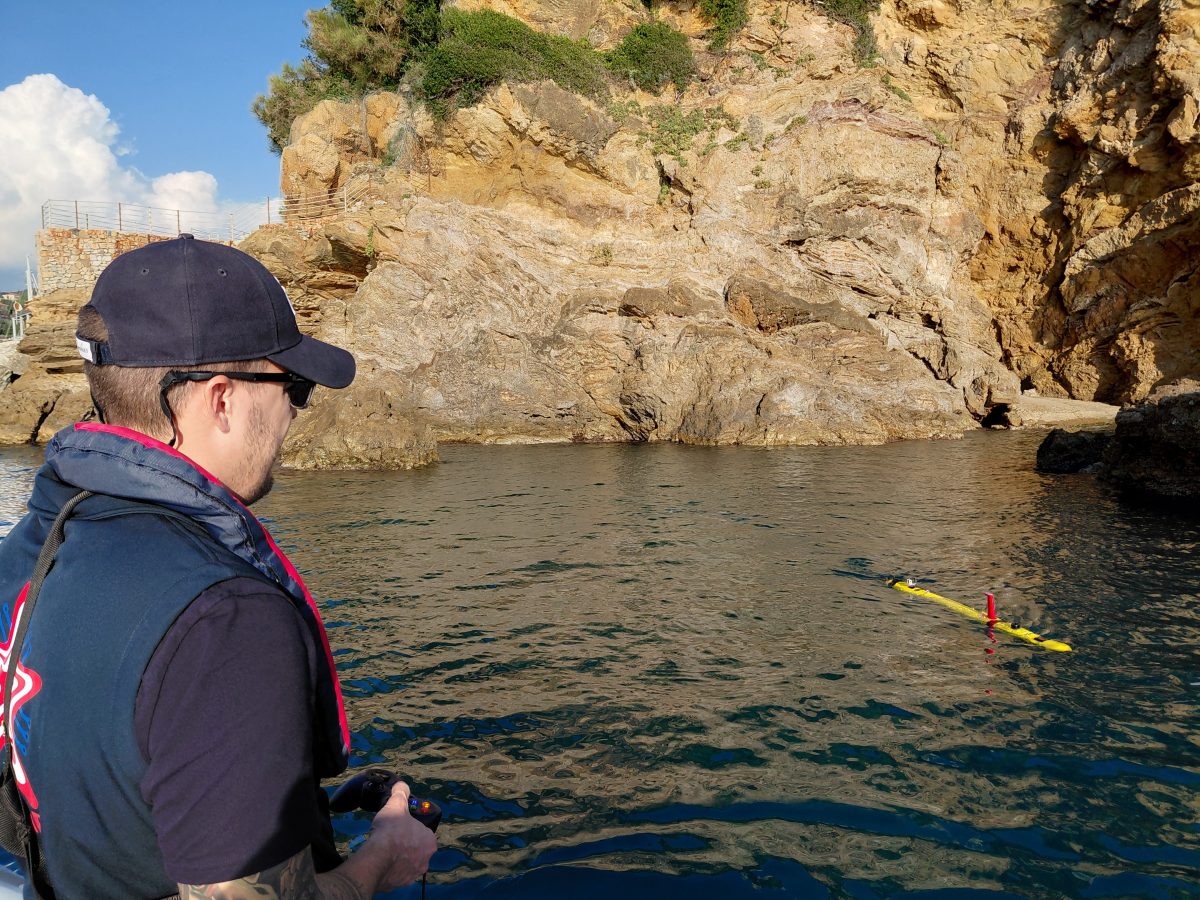
Data collection activities were carried out using Autonomous Underwater Vehicles (AUVs) equipped with high-resolution imaging systems and CTD probes for the measurement of physical and chemical parameters. These activities were complemented by the contribution of professional divers, including instructors, technical divers and diving operators, who supported field campaigns and data acquisition.
A core component of AUTOMA was the development of Artificial Intelligence–based automatic identification algorithms, designed in close collaboration with marine biologists. The AI models enabled the automated analysis and classification of acquired images, significantly improving efficiency, repeatability and scalability in biodiversity monitoring.
The resulting database and automatic identification system were made available to the National Biodiversity Future Center (NBFC) for its institutional purposes. The system was designed to enrich pre-existing platforms and, in a later phase, to be expanded through the contribution of recreational divers, fostering a long-term integration of technological innovation, scientific research and Citizen Science.
AUTOMA was developed through a strong collaborative framework involving partners with complementary expertise. The project brought together Pelagosphera, 20tab and Superfici, whose combined efforts contributed to the development of the automatic recognition system and the associated database.
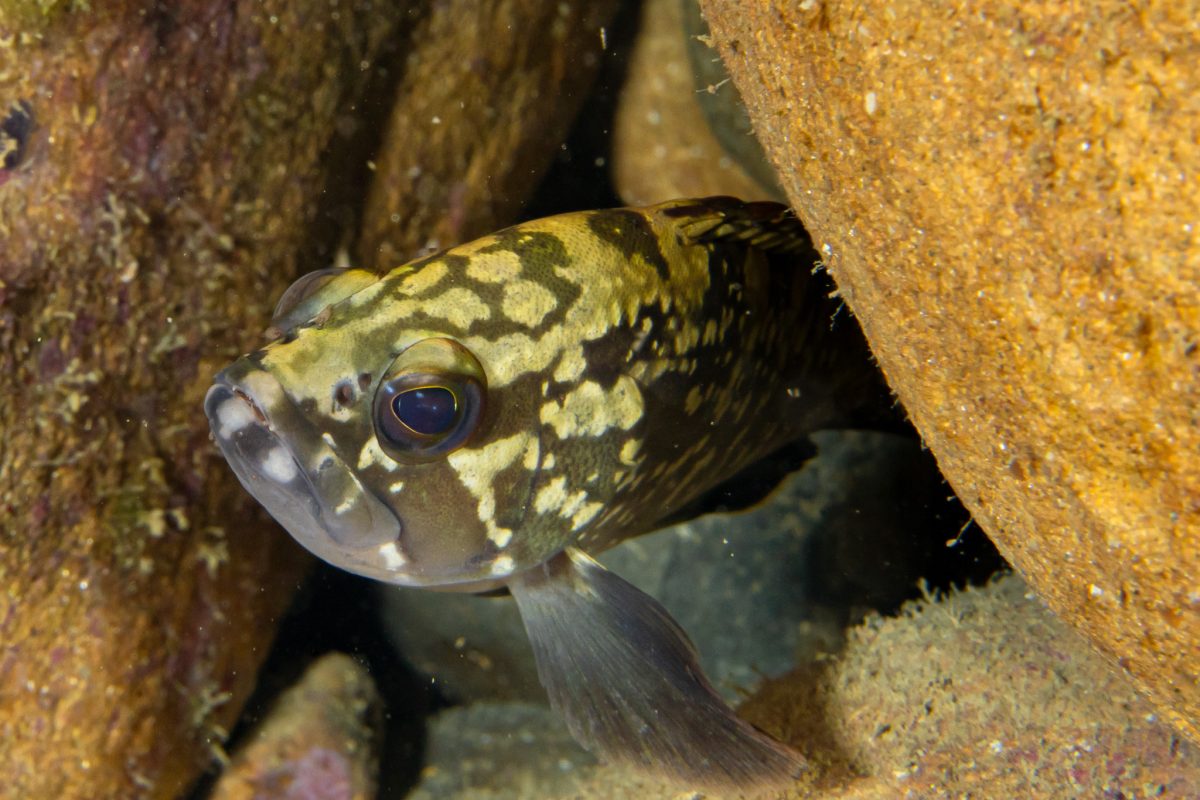
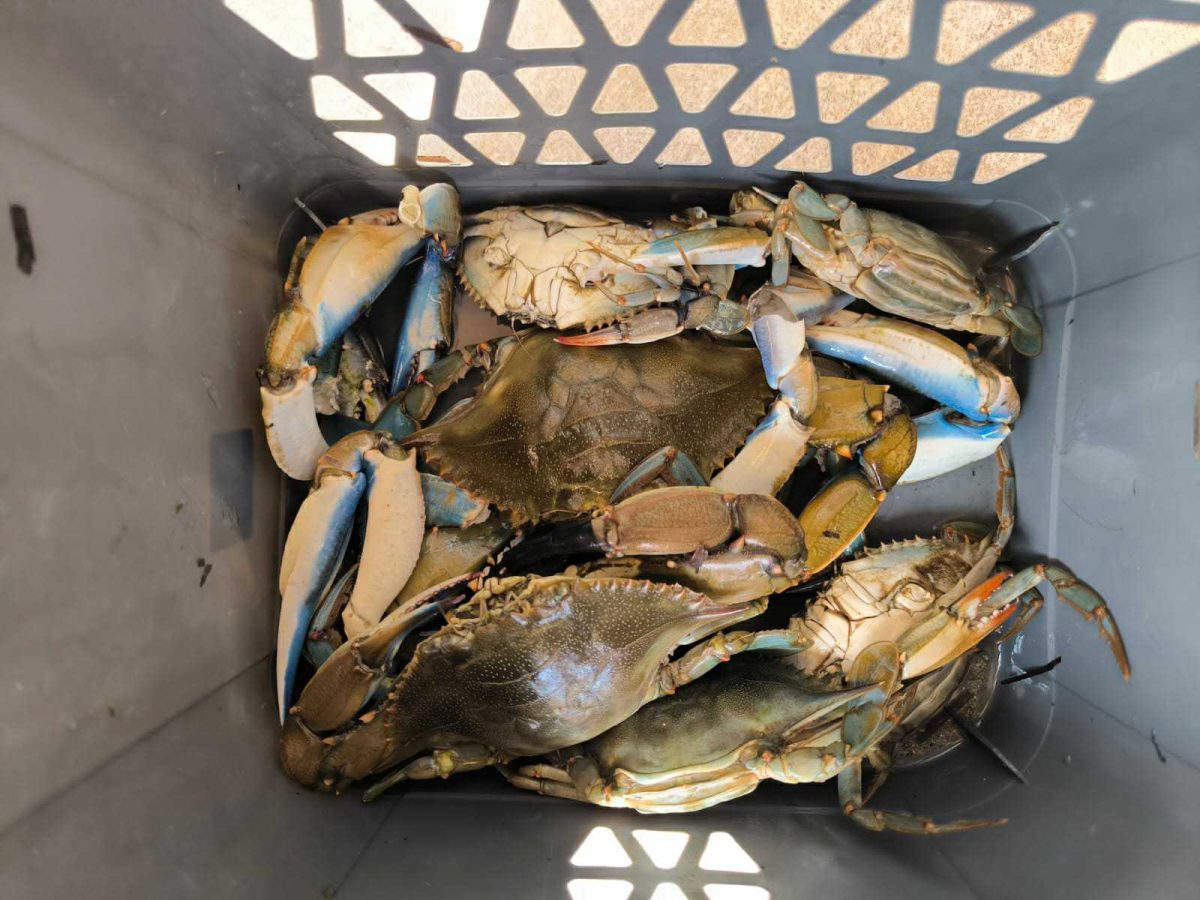
IANTD Expeditions played a central role in the field activities, conducting eleven missions in the Tyrrhenian Sea. These campaigns led to the identification of both alien species – such as the blue crab and the comb jelly – and native species, including groupers and sea breams.
EdgeLab contributed to the project through the deployment of its U_Tracker AUV, upgraded with a high-resolution imaging payload and an AI-based automatic recognition module supported by a dedicated classification database. This enhanced configuration enabled the autonomous acquisition and classification of marine species during field campaigns conducted within the Marine Protected Areas of Pianosa Island and Secche della Meloria, located in the Tyrrhenian Sea and within the boundaries of the Pelagos Sanctuary for Mediterranean Marine Mammals.
The successful conclusion of AUTOMA marks an important milestone in the integration of underwater robotics, Artificial Intelligence and environmental research, reaffirming the value of multidisciplinary and technology-driven approaches for the protection and continuous monitoring of marine ecosystems.
Although the project has formally ended, AUTOMA leaves a tangible legacy in terms of technological infrastructure, scientific data and operational methodologies, laying solid foundations for future developments and new applications in the field of marine biodiversity monitoring and sustainable ecosystem management.